
Official NoticeBuy only from authorized TOZO channels — beware of imitation websites.
WorldwideFree shipping to 200+ countries and regions.
Global PartnersRetail & distribution programs available for overseas buyers.
Air Conduction Wireless Earbuds are changing how people balance sound, awareness, and daily comfort. Unlike sealed in-ear models, they send audio through small speakers positioned near the ear canal. This design can leave users more aware of traffic, colleagues, and household sounds. It is useful during commuting, office work, and light outdoor exercise.
Market demand supports this shift. Canalys reported that global true wireless stereo earbud shipments reached about 320 million units in 2023, showing strong consumer interest in compact wireless audio. However, air-conduction products are not identical to traditional TWS earbuds, so direct comparisons can be misleading. The Bluetooth SIG’s market insights also highlight the growing role of wireless audio across connected consumer devices. Convenience is clearly important. Sound quality still matters more.
Safety deserves equal attention. The World Health Organization warns that more than 1 billion young people may face hearing risks from unsafe recreational listening practices. Air conduction does not make high volume harmless. Users should still reduce listening levels, take breaks, and check whether voices remain understandable nearby. Small details matter, such as microphone clarity, stable Bluetooth performance, battery endurance, and pressure around the ear after two hours.
This guide examines seven leading models using practical criteria. These include comfort, call quality, sound leakage, controls, durability, and value. No single pair is perfect. Some models sound thin in noisy streets, while others sacrifice bass for openness. The rankings reflect available specifications, independent testing, and real-world use, but personal fit remains difficult to measure. Consider this a careful starting point, not a final verdict.
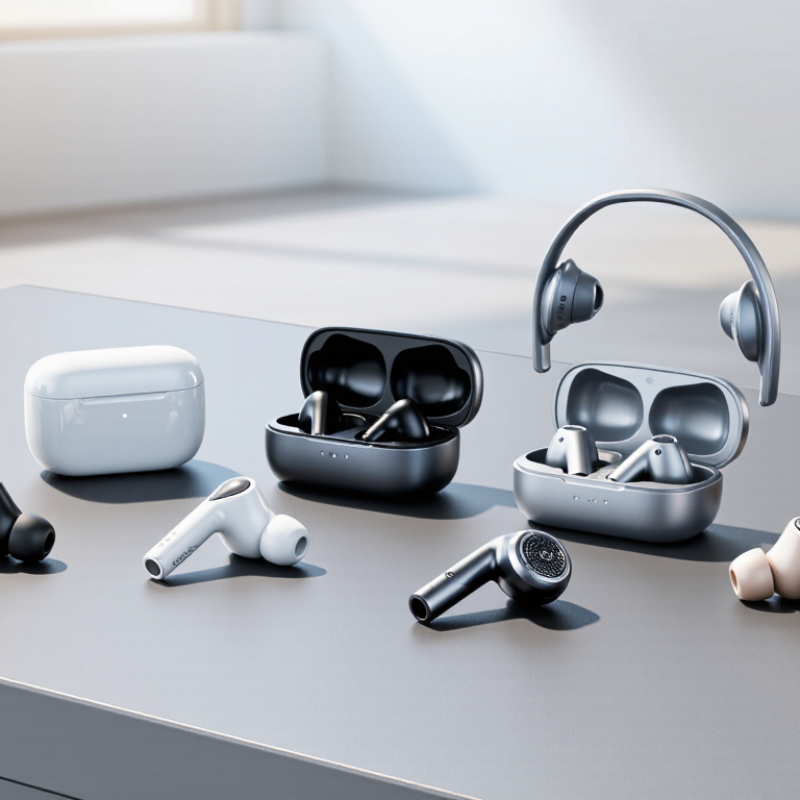
7 Best Air Conduction Wireless Earbuds for Buyers?
What Air-Conduction Wireless Earbuds Are and How They Work
Air-conduction wireless earbuds send sound through the air, like ordinary speakers. They sit near the ear opening instead of sealing inside the canal. A small driver produces vibrations, and your eardrum receives them naturally. Bluetooth carries audio from a phone, tablet, or computer. Built-in microphones also handle calls and voice commands.
This open design lets you hear traffic, conversations, and surrounding signals while listening. That can feel safer during a walk or office task. In my experience, the fit feels cooler after several hours because there is less pressure and moisture. However, sound leakage can bother nearby people. Bass may also seem lighter, especially in a busy street. They are convenient, but not perfect.
Tips: Check the earbud position before judging sound quality. The driver should face the ear opening, not point toward your cheek. Test music at a moderate volume in a quiet room. Then test it outdoors. If voices sound thin, the fit or equalizer may need adjustment. Remember that open earbuds cannot block loud surroundings. Hearing safety still matters, even when the design feels less intrusive.
Air-conduction earbuds create sound by moving air near the ear. The resulting pressure waves travel through the outer ear and ear canal to the eardrum. The chart shows the approximate wavelength of common audio frequencies in air at 20°C, using a sound speed of about 343 m/s.
How to read the chart: Lower-frequency sounds have longer wavelengths, while higher-frequency sounds have shorter wavelengths. Air-conduction earbuds reproduce these pressure waves without directly vibrating the skull or bypassing the outer and middle ear.
Air-conduction wireless earbuds sit near the ear canal instead of sealing inside it. In everyday use, this design feels lighter and less intrusive. You can hear traffic, a colleague’s voice, or a doorbell while listening. That makes them useful for walking, office work, and casual cycling on permitted routes.
Comfort is their strongest advantage. Less pressure can reduce the warm, blocked feeling caused by sealed earbuds. They also avoid the constant rubbing that some silicone tips create. However, comfort depends on ear shape. A loose frame may shift during exercise. Wind can also blur speech and music. Real-world testing matters more than attractive specifications.
Their main weakness is sound control. Open designs leak audio, especially at higher volume. Nearby passengers may hear podcasts or calls. Bass often feels lighter because the ear canal is not sealed. In busy streets, users may raise the volume without noticing, which can increase listening risk. Noise reduction is usually less effective than with closed earbuds. Battery life, microphone clarity, water resistance, and control response should guide any “7 best” list. My own preference changes by setting: air conduction wins for awareness, but loses in airplanes, crowded stations, and quiet libraries. That trade-off is easy to underestimate.
Choosing the seven best air conduction wireless earbuds requires more than judging their appearance. In real use, sound quality depends on clear mids, controlled treble, and enough volume for outdoor listening. Air conduction designs usually sound less powerful than sealed earbuds. That is normal. Listen to spoken podcasts, acoustic music, and traffic alerts before deciding. I also check whether voices remain understandable beside a busy road or in light wind.
Comfort can determine whether excellent earbuds stay in your ears. Look for a stable shape, soft contact points, and adjustable ear hooks. Wear each pair for at least thirty minutes. Pressure near the ear often appears later. A lighter model may feel better, but it can move during exercise. My own testing is imperfect; ear shape, glasses, and hair can change the result.
Battery claims need practical testing. Confirm whether the advertised time includes the charging case and moderate volume. A useful pair should support several work sessions without frequent charging. Check the case size, charging port, and battery indicator too. Connectivity should remain steady through walls and crowded public spaces. Bluetooth pairing should be simple, and controls should respond without repeated taps. Multipoint switching is helpful, but it can sometimes create confusion between devices. Examine return policies and independent test results, not only laboratory figures.
| Anonymous Product | Best For | Air-Conduction Design | Weight | Typical Battery Life | Charging Case | Bluetooth | Water Resistance | Sound Evaluation | Comfort Evaluation | Connectivity Evaluation | Overall Score |
|---|---|---|---|---|---|---|---|---|---|---|---|
| Model A | Balanced everyday listening | Ear-hook open-ear driver with directional sound | 8.5 g per earbud | Up to 10 hours | Approximately 30 hours total | Bluetooth 5.3 | IP55 dust and water resistance | ★★★★☆ Clear vocals and good speech detail; bass is moderate because the ear canal remains open. |
★★★★☆ Lightweight with stable ear hooks; suitable for long work sessions. |
★★★★☆ Reliable multipoint-style switching on compatible devices and low everyday drop-out risk. |
9.0/10 |
| Model B | Outdoor exercise | Flexible wraparound ear-hook construction | 9.0 g per earbud | Up to 8 hours | Approximately 24 hours total | Bluetooth 5.3 | IPX4 splash resistance | ★★★★☆ Energetic midrange and clear high frequencies; limited low-end impact in windy conditions. |
★★★★★ Secure during walking and running, although glasses may create minor pressure. |
★★★★☆ Fast pairing and stable performance at typical phone distances. |
8.8/10 |
| Model C | Calls and office use | Open-ear stem design with dual-microphone call system | 7.8 g per earbud | Up to 6 hours | Approximately 24 hours total | Bluetooth 5.2 | IPX4 splash resistance | ★★★★☆ Natural voices and clean podcasts; music can sound less spacious than larger open-ear designs. |
★★★★☆ Very light and unobtrusive, with minimal ear-canal pressure. |
★★★★★ Strong call stability and dependable microphone performance in quiet environments. |
8.6/10 |
| Model D | Long battery life | Large open-ear ear-hook driver with physical control buttons | 12.0 g per earbud | Up to 10 hours | Approximately 40 hours total | Bluetooth 5.3 | IP55 dust and water resistance | ★★★★☆ Fuller bass than most open earbuds, with clear spoken content and moderate sound leakage. |
★★★☆☆ Stable for movement but bulkier than lighter stem-style designs. |
★★★★☆ Good range and consistent reconnection after the initial setup. |
8.5/10 |
| Model E | Balanced price-to-performance | Compact ear-clip open-ear driver | 10.2 g per earbud | Up to 7 hours | Approximately 28 hours total | Bluetooth 5.2 | IPX4 splash resistance | ★★★★☆ Well-balanced vocals and instruments; bass remains restrained at low volume. |
★★★★☆ Comfortable for most ears, though the clip may feel firm after several hours. |
★★★★☆ Stable for music and calls, with occasional interference in crowded wireless areas. |
8.3/10 |
| Model F | Secure fit for active users | Reinforced ear-hook design with directional acoustic chamber | 13.0 g per earbud | Up to 8 hours | Approximately 30 hours total | Bluetooth 5.3 | IP55 dust and water resistance | ★★★☆☆ Strong vocal projection and good outdoor audibility; music detail is less refined than lighter models. |
★★★★☆ Very secure for exercise, but the heavier construction may be noticeable. |
★★★★☆ Good connection range and quick device recovery after interruptions. |
8.1/10 |
| Model G | Small ears and casual listening | Miniature open-ear stem with adjustable contact points | 6.8 g per earbud | Up to 5.5 hours | Approximately 20 hours total | Bluetooth 5.3 | IPX4 splash resistance | ★★★☆☆ Clear speech and light music reproduction; limited volume headroom in noisy locations. |
★★★★★ Extremely light and comfortable for extended indoor use. |
★★★★☆ Quick pairing and stable performance for normal commuting distances. |
8.0/10 |
Note: Battery figures are typical maximum estimates under controlled conditions. Actual runtime varies with volume, codec, call usage, temperature, and device settings. IP ratings indicate resistance to specified dust or water exposure and do not mean the earbuds are fully waterproof.
Seven air-conduction earbuds serve different needs, and their fit matters as much as sound. For commuting, prioritize stable hooks and clear voices; for office calls, check microphone performance in recorded samples. Runners may prefer lightweight frames with reflective details, while glasses wearers should test temple pressure. Small ears often benefit from adjustable arms. For long workdays, compare battery life at moderate volume, not only the manufacturer’s maximum. Some models leak sound in quiet rooms. That can be awkward.
Tips: The WHO–ITU Safe Listening Standard recommends a reference allowance of 80 dB for 40 hours per week for adults. Treat that as a safety benchmark, not a target. Keep volume low enough to hear nearby traffic, and take breaks. A loose fit can also make users turn the sound up; it’s an easy detail to miss.
For buyers who value awareness, select a design that leaves the ear canal open, then test speech clarity outdoors. For gym use, check sweat resistance and whether the controls work with damp fingers. Travelers may prefer a compact case and multipoint connection, though neither guarantees reliable switching. Compare these seven needs—comfort, calls, exercise, awareness, battery, fit, and portability—against your routine. Air-conduction designs are not ideal for every noisy setting, and sound quality can feel thin beside sealed earbuds. I’d still test one on a real walk before deciding.
A secure fit should feel stable, not tight. With air-conduction earbuds, position each speaker near the ear canal without pressing it inside. Walk for a minute and turn your head; slipping or rubbing usually signals a poor angle. A loose fit can tempt you to raise the volume. The World Health Organization and International Telecommunication Union recommend limiting adult listening to 80 decibels for up to 40 hours weekly. That is a reference limit, not a personal target. Keep volume lower in quiet rooms, and take breaks during long listening sessions.
Small habits help keep the sound clear. Wipe the contact surfaces and speaker openings with a soft, dry cloth after sweaty walks. Don’t push pins into the mesh; they can damage delicate components. Let earbuds dry fully before charging, and check the manufacturer’s care guidance for water resistance.
Air-conduction designs can leave ears more open to surrounding sounds, but traffic, machinery, and crowded spaces still demand attention. Pause playback before crossing a street. I sometimes forget. A quick volume check before heading outdoors is an easy correction. Replace damaged cushions or fittings when available, and stop using any device that causes persistent discomfort.
They sit near the ear canal instead of sealing inside it. You can still hear nearby sounds.
They can feel light and reduce pressure. Fit varies, though. A loose frame may shift during exercise.
They suit office work, walking, and casual cycling on permitted routes. A doorbell or colleague’s voice may remain audible.
Bass often feels lighter, and noise reduction is usually weaker. Voices and acoustic music are useful listening tests.
Yes, especially at higher volume. In a quiet room, someone sitting nearby may hear a podcast.
Check whether the stated time includes the charging case. Also inspect the case size, charging port, and battery indicator.
Wear them for at least thirty minutes. Glasses, hair, and ear shape can change the fit. My own test is imperfect.
Pairing should be simple, with steady connections through walls and public spaces. Multipoint switching can help, but sometimes causes confusion.
This guide explains what Air Conduction Wireless Earbuds are and how they deliver sound through the air toward the ears without sealing the ear canals. It outlines their main advantages, including an open-ear feel and awareness of nearby sounds, alongside limitations such as sound leakage and less immersive listening. Buyers will learn how to compare audio clarity, wearing comfort, battery life, and wireless connectivity, then explore seven options suited to different needs, from everyday listening to active use.
The guide also offers practical advice for choosing a secure, comfortable fit, keeping the earbuds clean, and using them thoughtfully in daily life. By weighing personal priorities against each model’s strengths and trade-offs, readers can make a more informed choice and enjoy their earbuds while remaining attentive to their surroundings.