
Official NoticeBuy only from authorized TOZO channels — beware of imitation websites.

WorldwideFree shipping to 200+ countries and regions.

Global PartnersRetail & distribution programs available for overseas buyers.

0%

An AMOLED Smart Fitness Watch pairs fitness-tracking tools with a vivid screen built from self-emitting pixels. That design can show deep blacks, bright colors, and sharp workout details. A route, heart-rate reading, or timer may be easier to see at a glance. The screen can also use more power when displaying bright content, so battery life depends on settings and use.

The display is only one part of the watch. Motion sensors can record steps and estimate activity, while some models measure heart rate, sleep, or blood oxygen. These readings can help users notice patterns over time, but they are not perfect measurements. A loose strap, vigorous movement, or individual differences may affect results. Useful, not infallible.

When comparing models, look beyond screen quality. Check battery performance, water resistance, phone compatibility, comfort, and the fitness features you will actually use. A clear display matters on a sunny walk, but so does a watch that fits well and lasts through a long day. The term “AMOLED Smart Fitness Watch” describes a combination of display technology and wearable features, not a guarantee of medical accuracy or superior tracking. It sounds simple. The details deserve a closer look.
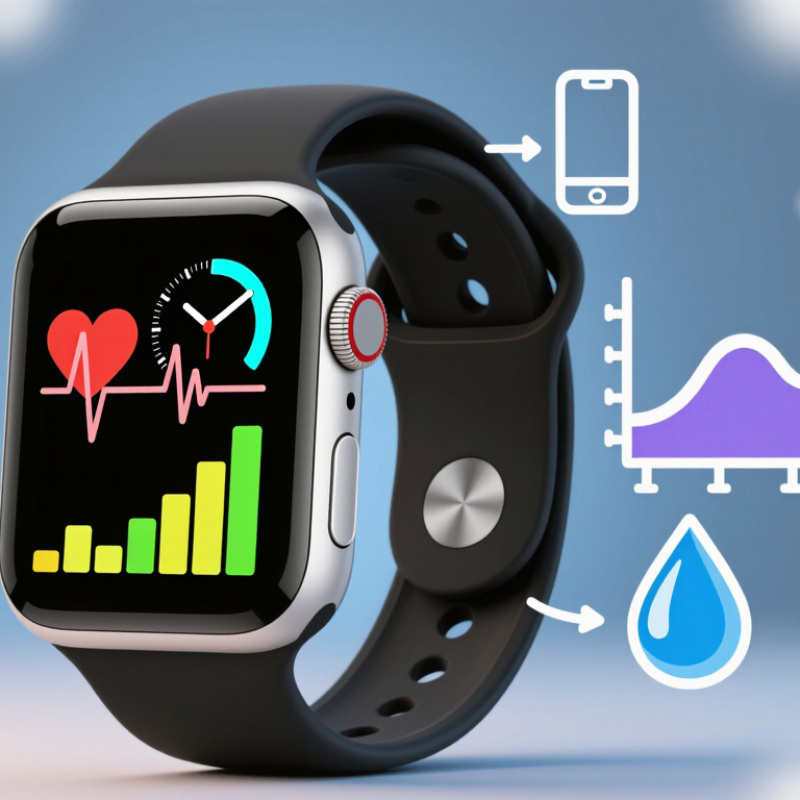
What Is an AMOLED Smart Fitness Watch?

Definition and Key Characteristics of an AMOLED Smart Fitness Watch

An AMOLED smart fitness watch combines a wrist-worn display with sensors and software for tracking activity and health-related signals. AMOLED means active-matrix organic light-emitting diode. Each pixel produces its own light, rather than relying on a separate backlight. This allows deep blacks, strong contrast, and vivid color on a compact screen. It can also make dark watch faces more energy-efficient, though actual battery life depends on brightness, display settings, and sensor use. At a glance, readable numbers matter. In direct sunlight, a dim screen can still be frustrating.

Key characteristics include a touch display, configurable watch faces, and fitness features such as step counts, workout timing, and heart-rate estimates. Many models also offer sleep tracking and phone notifications. IDC reported that worldwide wearable-device shipments reached 534.6 million units in 2024, a 6.1% year-over-year increase. That figure covers wearables broadly, not AMOLED watches alone, but it shows the scale of the category. Sensor readings are estimates, not medical diagnoses. Accuracy can vary with fit, movement, and skin contact. A loose watch may misread a workout. AMOLED describes the display technology; it does not guarantee better tracking or longer battery life.

How AMOLED Displays Work in Wearable Devices

An AMOLED fitness watch uses an active-matrix organic light-emitting diode display. Each pixel produces its own light, so the screen needs no separate backlight. A tiny transistor circuit controls each pixel, letting the watch show bright numbers beside deep black areas. That matters. During a night run, a dark interface can leave most of the display unlit, while pace and heart-rate figures remain clear. It can also support thin, curved screens. But power use still depends on brightness, colors, and how often the display stays on.

AMOLED’s strengths come with trade-offs. Bright outdoor sunlight may make reflections harder to ignore, and constantly showing bright content can use more energy. Battery life also depends on sensors, wireless connections, and software, not just the screen. Not magic. IDC’s Worldwide Quarterly Wearable Device Tracker reported 534.6 million wearable-device shipments in 2023, across product types. That figure shows the scale of the wearable market, but it does not measure AMOLED adoption specifically. It is a useful distinction. When comparing a watch, check whether its screen dims automatically and how clearly it shows data in direct light. A vivid display looks impressive indoors; real-world readability can be less tidy.

How AMOLED Pixels Produce Color

Each AMOLED pixel creates light using red, green, and blue subpixels. This chart shows normalized channel values for sample 8-bit RGB colors (each channel divided by 255). At black, all three channels are zero, so the pixel emits no light. Values illustrate digital color levels; actual brightness depends on display calibration and other factors.

Sensors and Fitness-Tracking Functions

An AMOLED smart fitness watch combines a vivid display with sensors that collect information about movement and body signals. Its screen can show a heart-rate graph, workout timer, or step count with clear contrast. Outdoors, brightness helps, though direct sunlight can still make details harder to read. A crisp display is useful, but it does not make measurements more accurate.

A wrist-based optical sensor typically uses light to estimate heart rate. During a steady walk, the reading may be consistent; during intervals, it can lag behind your effort. An accelerometer detects motion, helping count steps and recognize activities. Some watches also include a gyroscope for changes in direction and a GPS receiver for route and distance tracking. These tools work best when the watch fits snugly, just above the wrist bone. Small fit changes matter.

Fitness functions can turn sensor readings into pace, workout duration, heart-rate zones, and sleep estimates. For example, a morning run may show distance alongside a changing pulse, while a later walk adds to your daily activity total. Treat these figures as guidance, not medical measurements. Wrist sensors can be affected by movement, skin contact, and other individual factors. I still find step counts imperfect on busy days, when ordinary hand movements may be mistaken for walking. Checking trends over several weeks is often more useful than reacting to one unusual reading.

Smart Features, Connectivity, and Battery Use

An AMOLED smart fitness watch combines an active-matrix organic light-emitting diode screen with sensors and connected features. Each pixel produces its own light, so dark watch faces can use less display power than bright ones. Actual battery life still depends on brightness, screen-on time, GPS, and heart-rate tracking. In daily use, a bright screen outdoors and constant notifications can drain a small battery faster than expected.

Connectivity makes the watch useful beyond workouts. Bluetooth can relay calls, messages, and phone notifications, while GPS can record a route without a phone nearby on supported models. IDC reported 148.6 million wearable-device shipments worldwide in 2023, showing the scale of this product category. That figure includes several kinds of wearables, not just fitness watches. A watch’s practical value depends on reliable syncing and clear controls, not feature count alone. Some readings may also vary with fit and movement; they are not medical diagnoses.

Tips: Lower brightness, shorten the screen timeout, and turn off alerts you rarely use. Try one week with continuous heart-rate monitoring, then compare battery use with your normal routine. Small differences matter. A quick check before a long run can prevent an inconvenient dead screen.

Factors to Consider When Choosing a Model

What Is an AMOLED Smart Fitness Watch?

Factors to Consider When Choosing a Model

An AMOLED fitness watch uses a screen made of self-lit pixels, producing deep blacks and vivid colors. That can make workout stats easy to read at a glance. But a bright display may use more battery, especially with always-on mode enabled. Check the stated battery life with your preferred settings, not just the longest advertised figure.

Comfort matters during a long run and overnight sleep tracking. Look for a light case, a strap that feels soft against your skin, and a fit that keeps the sensors against your wrist without pinching. Check which activities the watch tracks and whether its heart-rate readings suit your needs. Wrist sensors can be less reliable during some movements, so treat a single reading with care. Check comfort.

Screen brightness is another practical factor. If you exercise outdoors, consider whether the display remains legible in direct sunlight. Also review water resistance, phone compatibility, charging time, and how clearly the companion app presents your data. Some features sound useful but may rarely fit your routine. I would prioritize the functions you will actually use over a crowded menu. A simple interface helps.

FAQS

What can an AMOLED fitness watch display?

It can show heart-rate graphs, workout timers, and step counts. Dark watch faces may use less screen power. A vivid screen does not improve sensor accuracy.

How does a wrist-based heart-rate sensor work?

An optical sensor uses light to estimate your pulse. Readings may stay steady on a walk but lag during intervals. Treat them as guidance, not medical measurements.

How can I improve step and activity tracking?

Wear the watch snugly, just above your wrist bone. Accelerometers detect motion, but everyday hand movements can sometimes count as steps. Busy days get messy.

Can a watch track routes without a phone?

Some models have GPS and can record routes independently. Check that your watch supports this before leaving your phone behind.

Why might my workout readings vary?

Movement, skin contact, and fit can affect sensor readings. A small change in strap position may matter. One unusual result is not the whole story.

How should I use sleep and activity estimates?

Look for patterns across several weeks instead of reacting to one night or workout. These estimates can be imperfect.

What affects battery life most?

Brightness, screen-on time, GPS, and continuous heart-rate tracking all use power. Frequent notifications can drain the battery faster than expected. Small changes help.

How can I make the battery last longer?

Lower screen brightness, shorten the timeout, and disable alerts you rarely check. Compare battery use after a week with continuous heart-rate tracking. Check the charge before a long run.

Conclusion

An AMOLED Smart Fitness Watch combines a bright, high-contrast display with tools for monitoring activity and everyday health metrics. Unlike displays that rely on a constant backlight, AMOLED screens illuminate individual pixels, which can produce vivid colors, deep blacks, and clear information in a compact wearable. These qualities can make workout statistics, notifications, and watch faces easier to read, though screen brightness and frequent use may affect battery life.

Fitness features vary by model and may include sensors that track heart rate, movement, sleep, and exercise sessions. Many watches also offer smartphone connectivity, alerts, music controls, or access to companion apps. When choosing a model, consider display readability, sensor capabilities, comfort, water resistance, compatibility, battery performance, and ease of use. The best option is one that fits your routine and provides the functions you are most likely to use without requiring frequent charging.

Amelia

Amelia

Amelia is a marketing professional with a strong understanding of the company’s products and the needs they are designed to meet. She regularly contributes expert articles to the company website, helping readers understand product features, practical applications, and the considerations that can......