
Official NoticeBuy only from authorized TOZO channels — beware of imitation websites.

WorldwideFree shipping to 200+ countries and regions.

Global PartnersRetail & distribution programs available for overseas buyers.

0%

Choosing ENC Multi-Mic Noise Cancelling Earbuds can feel simple until product pages promise crystal-clear calls in every setting. A café, a windy sidewalk, and a quiet home office create very different challenges. ENC uses microphones and signal processing to reduce background noise picked up during calls, but results vary by design, software, and environment. More microphones do not automatically mean better voice quality. Details matter.

Start by checking how many microphones each earbud uses and where they are placed. Then look for independent call samples or reviews recorded in realistic conditions, not just polished demonstrations. Listen for clear speech, steady volume, and manageable wind noise. Small details count. A voice that sounds natural matters more than a bold feature label.

Fit also deserves attention. Loose earbuds can shift while walking, and a poor seal may affect comfort and sound. Check battery estimates, Bluetooth stability, control layout, and whether the charging case fits your daily routine. If possible, review the return policy before buying; comfort is difficult to judge from a specification sheet. Some advertised performance claims may be optimistic. That is worth remembering. This guide’s seven tips will help compare microphone design, call performance, comfort, battery life, and overall value without treating any single specification as a guarantee. The best choice depends on where you take calls, how long you wear earbuds, and what compromises you can accept.
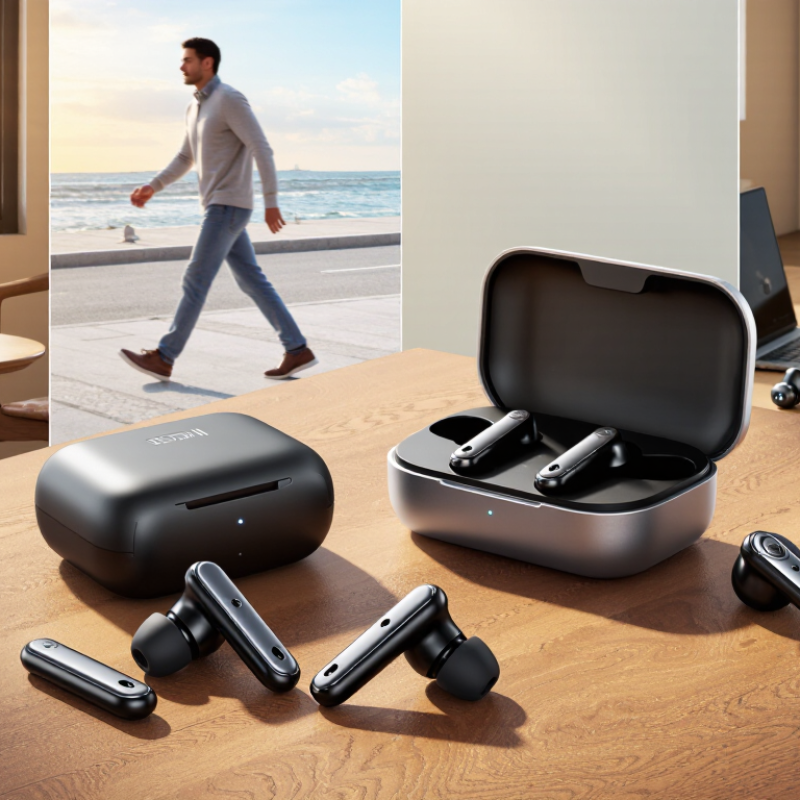
7 Tips for Choosing ENC Multi Mic Noise Cancelling Earbuds

How ENC Multi-Microphone Noise Cancellation Works

ENC uses several microphones to sample sound from different directions. One mic may sit near the mouth-facing edge; another listens outward. A processor compares their signals, estimates which sounds resemble speech, then reduces steady noise such as a fan or road hum. With multiple inputs, it can also steer a pickup pattern toward the speaker. Small details matter. Mic spacing, wind, and fit can all weaken the result. More microphones do not guarantee clearer calls.

This is mainly an uplink feature: it helps others hear you, unlike playback noise cancellation, which reduces sound reaching your ears. The ITU-T P.863 speech-quality method reports results on a 1.0–5.0 MOS-LQO scale, reminding buyers that call quality can be measured rather than guessed. The Bluetooth SIG’s 2024 market update forecasts 5.4 billion annual Bluetooth device shipments by 2028. That figure describes the market, not ENC performance. Treat it as context, not proof. A practical test is to record your voice beside a running fan, then listen for clipped syllables or a hollow, over-processed sound. Even a careful test cannot reproduce every street or call.

Assess Microphone Configuration and Call Clarity

A multi-microphone setup can help earbuds separate speech from surrounding noise, but the number of microphones alone tells you little. Placement matters. Microphones near the outer edge may capture room noise, while inward-facing microphones can help monitor your voice. Look for clear details about how the microphones work together, rather than relying on a high microphone count as proof of better calls.

Listen closely. In a quiet room, record a short voice note, then repeat it beside a fan or on a breezy sidewalk. Check whether words remain distinct, especially at the ends of sentences. Ask a friend how you sound during a real call; playback can hide the dropouts or muffling they hear live.

Not just specs.

Noise cancellation may reduce steady sounds, such as an air conditioner, yet struggle with sudden voices or traffic. Fit also changes microphone performance, so try both earbuds and adjust them before judging. I once trusted a polished test recording too much; everyday calls were less consistent. That is worth remembering.

Compare call clarity across more than one setting, and notice whether your voice sounds natural or overly processed.

Compare Noise Reduction Performance in Real Settings

ENC performance is easiest to judge during real calls, not in a silent room. Test beside a fan, on a breezy walk, and near ordinary traffic. Keep your phone in the same pocket each time. Ask someone to listen for voice clarity, not just reduced background noise. That difference matters.

Check microphone placement and whether the earbuds pick up your voice consistently when you turn your head. More microphones do not automatically mean better calls. Compare steady sounds, like ventilation, with sudden ones, like a passing bus. Notice whether wind creates crackling or makes your speech sound thin. Try a short call in a quiet room, too, as strong processing can sometimes make voices seem unnatural. Small details count.

Fit matters. A loose earbud may affect what you hear, even when ENC processes the sound sent to callers. Test both earbuds and each microphone mode, if available. Use the same phone and call app for fair comparisons. Write down what you notice after each test; memory can be oddly unreliable. I once judged a pair too quickly from a noisy street, then changed my mind indoors. Real use is messy, and one test rarely tells the whole story.

7 Tips for Choosing ENC Multi-Mic Noise-Cancelling Earbuds

Compare Noise Reduction Performance in Real Settings

Example comparison values show estimated background-noise reduction during calls, in decibels. Steady ventilation is generally easier to suppress than changing sounds such as café chatter or wind. These figures are illustrative, not verified measurements of specific earbuds; actual results depend on microphone placement, fit, voice level, and processing.

Check Fit, Comfort, Battery Life, and Connectivity

Fit should be your first practical check, because even strong noise reduction cannot help much if an earbud keeps slipping. Try every included tip size and gently turn each bud until it feels secure. A good seal should soften nearby sounds without creating painful pressure. Walk around, talk, and chew for a few minutes. Small detail, big difference.

Comfort often changes with time. A pair that feels fine for five minutes may irritate your ears during a long commute, so consider weight, shape, and contact points. A quick fit test can still mislead; comfort after an hour is another matter. ENC multi-mic noise cancellation is designed to help reduce background sound picked up during calls, but performance can vary in wind or crowded streets. Check call quality in the places you actually use the earbuds.

Battery life claims are most useful when compared with your own routine. Look for separate estimates for the earbuds and charging case, and remember that frequent calls or high volume can shorten playback time. Check how long a short charge adds, too. Connectivity deserves a real-world test: pair with your phone, move between rooms, and see whether calls reconnect smoothly. If you use two devices, confirm that switching works as expected. A few small annoyances matter.

Verify Specifications, Compatibility, and Value

When comparing ENC multi-mic earbuds, check what the microphone system actually does. ENC is designed to reduce background noise picked up during calls; it is not the same as noise cancellation for music. Look for the number and placement of microphones, supported call features, and any explanation of how wind or traffic noise is handled. “Clear calls” alone tells you very little. Specifications can still leave gaps.

Compatibility matters in daily use. Confirm the Bluetooth version and supported audio codecs, but remember that a newer version does not guarantee every feature will work with your phone or laptop. Check whether the earbuds support multipoint connection if you switch between devices. For video calls, microphone performance can vary across apps, so user reports about your operating system may be useful. A short test in a quiet room and near a fan can reveal more than a polished product description.

Judge value beyond the sale price. Compare stated call time, charging case capacity, replacement ear tips, warranty coverage, and access to support. Check whether battery figures refer to calls, music playback, or both; these numbers are not interchangeable. Fit also affects microphone position and comfort, yet it is easy to overlook. I would not pay extra for a long feature list without clear evidence that the key functions suit your routine. That judgment is imperfect, but it can prevent paying for features you rarely use.

FAQS

What does ENC do during calls?

ENC reduces background sound picked up by microphones, such as fan noise or traffic. It is not the same as noise cancellation for music.

How can I compare call clarity in real settings?

Test beside a fan, on a breezy walk, and near ordinary traffic. Keep your phone in the same pocket. Ask someone to judge voice clarity, not just background noise. Tests can mislead.

Does having more microphones guarantee clearer calls?

No. Microphone placement and voice pickup matter when you turn your head. Compare steady ventilation with sudden sounds, like a passing bus. Wind can make speech sound thin or crackly.

How should I check fit and comfort?

Try each included tip size and gently turn each earbud until secure. Walk, talk, and chew for a few minutes. A good seal should soften nearby sounds without painful pressure. Small detail, big difference.

What should I know about battery life?

Check separate estimates for the earbuds and charging case. Frequent calls or high volume may shorten playback time. Also check how much use a short charge provides. Numbers can differ.

How can I test connectivity?

Pair the earbuds with your phone, then move between rooms during a call. If you use two devices, check whether switching works smoothly. I would test this at home, not assume.

Which specifications and compatibility details matter?

Check microphone placement, Bluetooth version, supported audio codecs, and multipoint support if you switch devices. A newer Bluetooth version does not guarantee every feature works with your phone or laptop. App performance can vary.

How can I judge whether the earbuds are good value?

Compare call time, case capacity, replacement tips, warranty coverage, and support access. Check whether battery estimates refer to calls or music. I once judged a pair too quickly outdoors, then changed my mind indoors. My judgment can be imperfect.

Conclusion

Choosing ENC Multi-Mic Noise Cancelling Earbuds involves more than looking at the number of microphones. Understanding how environmental noise cancellation uses multiple microphones to detect and reduce surrounding sounds can help you judge whether a design is likely to support clear calls. Consider the microphone arrangement and listen for consistent voice pickup, especially when speaking in busy or windy environments. Compare noise-reduction performance in real settings rather than relying only on headline specifications.

Comfort and practicality matter just as much as call quality. Check the fit for extended wear, battery life for your daily routine, and connectivity for stable, convenient use. Finally, review the technical specifications, device compatibility, and overall value together. A well-balanced pair should meet your calling needs, feel comfortable, and offer dependable performance without paying for features you are unlikely to use.

Amelia

Amelia

Amelia is a marketing professional with a strong understanding of the company’s products and the needs they are designed to meet. She regularly contributes expert articles to the company website, helping readers understand product features, practical applications, and the considerations that can......