
Official NoticeBuy only from authorized TOZO channels — beware of imitation websites.

WorldwideFree shipping to 200+ countries and regions.

Global PartnersRetail & distribution programs available for overseas buyers.

0%

True Wireless Noise Cancelling Earbuds can make a crowded commute feel calmer. They combine compact, cable-free listening with microphones that help reduce steady background sounds, such as bus engines or office ventilation. The effect is useful, but not magical. Voices, sudden horns, and a loose earbud can still break through.

Fit matters. A well-sealed tip can improve comfort, bass, and noise reduction, while the wrong size may leave music thin and outside noise distracting. Battery life, call quality, and controls also shape daily use. Small details count: Can you adjust volume with gloves on? Do the earbuds stay secure during a brisk walk? And can you hear enough around you when the setting requires awareness? These questions are more practical than a long list of technical claims.

Audio researcher Dr. Sean Olive’s headphone research supports a careful focus on listening experience. A fair paraphrase of that approach is: “Judge headphones by sound and comfort, not specifications alone.” That is a useful starting point, not a guarantee that every listener will agree. Ear shape, preferred music, and sensitivity to pressure vary. Even excellent noise cancelling can feel tiring for some people. Not every feature suits everyone. Comparing fit and sound in ordinary settings can reveal more than glossy promises, though one’s first impression may not tell the whole story.
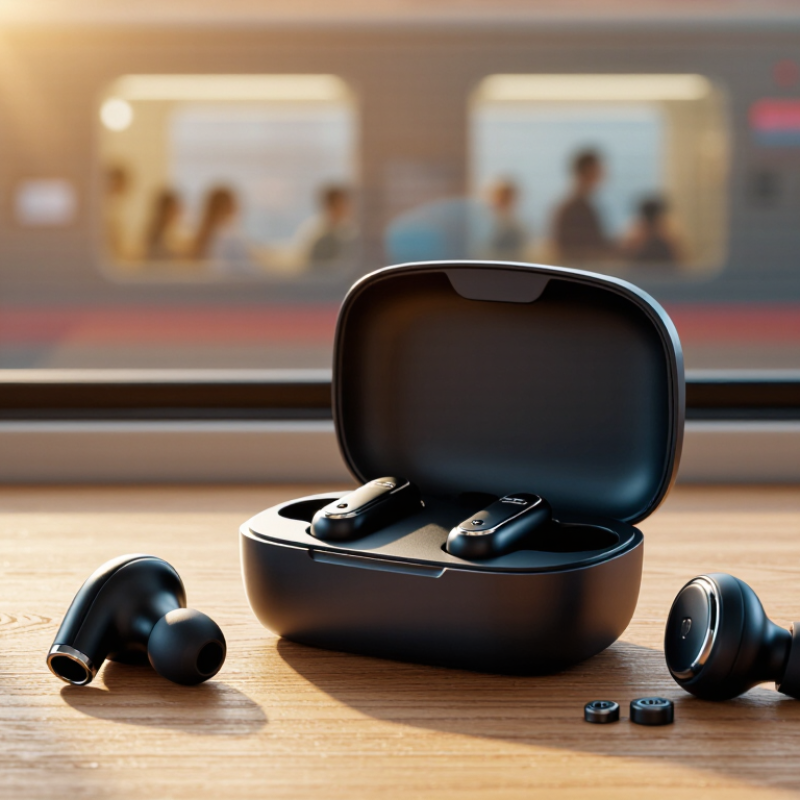
Why Choose True Wireless Noise Cancelling Earbuds?

What True Wireless Noise-Cancelling Earbuds Are

True wireless noise-cancelling earbuds are two separate earpieces with no cable between them. Each contains a small speaker, battery, and wireless electronics. They connect to a phone or computer, while microphones and onboard processing help reduce surrounding sound. A soft silicone tip also blocks some noise by sealing the ear canal.

Active noise cancellation works best with steady sounds, such as an air conditioner or train rumble. Tiny microphones sample that sound, and the earbuds play an opposing signal to reduce what reaches the listener. It is not silence. A nearby voice or a sharp clatter may still come through, and results vary with fit. That detail matters: a loose tip can weaken both comfort and noise reduction.

The WHO-ITU safe-listening standard recommends limiting adult personal-audio exposure to 80 decibels for up to 40 hours a week. This is a listening-safety benchmark, not a promise that any earbuds prevent hearing damage. Noise cancelling may make a quieter listening level feel usable in a busy room, but the listener still controls volume and time. Fit takes trial and error. Even a good seal can feel odd after an hour, and some people notice pressure or a faint hiss.

Why Choose True Wireless Noise-Cancelling Earbuds? — What They Are

True wireless noise-cancelling earbuds are two separate earbuds with no cable between them. Active noise cancellation (ANC) uses microphones and opposing sound waves to reduce some outside noise, especially steady, low-frequency sounds. The illustration below shows the principle, not measured product performance.

How Active Noise Cancellation Works in Earbuds

Active noise cancellation (ANC) in earbuds uses tiny microphones to pick up sounds around you. A processor analyzes steady noise, such as an air conditioner’s hum or a bus engine’s rumble. It then creates a sound wave designed to oppose that noise. When the waves meet, some repetitive, low-frequency sound becomes quieter. This is called destructive interference. Not magic.

The effect depends on the earbud seal, microphone placement, and the sound itself. A loose fit lets noise leak around the ear tip, while sudden sounds, like a spoon clattering on a table, are harder to reduce. ANC often works best against continuous low sounds; voices may remain audible, though less prominent. On a commute, the engine may fade while a nearby announcement still comes through. Performance varies with both design and fit. It is easy to underestimate how much a snug seal matters, and strong cancellation can feel unusual at first.

Tips: Try different ear-tip sizes and adjust ANC in a quiet room before wearing the earbuds outside. If pressure feels uncomfortable, lower the cancellation level or switch it off. Fit matters. Don’t expect silence; ANC reduces certain sounds, but it does not remove every noise.

Key Benefits for Listening, Calls, and Daily Travel

True wireless noise cancelling earbuds can make listening more comfortable in busy places. On a train, steady engine rumble may fade, letting podcasts and music sound clearer at a lower volume. Noise cancellation works best on consistent sounds; nearby conversations and sudden announcements can still come through. That matters when choosing what to listen to. A secure, well-fitting ear tip also helps reduce outside noise, though comfort varies from person to person. Small details count.

Calls benefit from reduced background noise, especially in a café or beside a road. Multiple microphones and voice-processing features can help your voice stand out, but results depend on the earbuds, your fit, and the surroundings. Wind can still muddy speech. Test a short call before relying on them for an important conversation. On daily journeys, a pocket-sized case makes it easy to recharge between stops, while transparency mode can help you hear station announcements without removing an earbud. Still, they are not magic. Battery life drops with noise cancellation enabled, and touch controls can misread a wet finger. These trade-offs are easy to overlook. Check comfort, call clarity, and controls in your usual routine, not just during a quiet indoor test.

Features to Compare When Choosing a Pair

Why Choose True Wireless Noise Cancelling Earbuds?

Features to Compare When Choosing a Pair

When comparing true wireless noise-cancelling earbuds, start with fit and comfort. A secure seal can improve passive noise reduction and keep earbuds steady on a walk. Try different tip sizes, if available. Pressure that feels minor in a shop may become irritating after an hour. Comfort matters. Check noise control options, too. Some models offer adjustable cancellation or a transparency mode for hearing nearby voices and announcements. Strong cancellation can reduce low, steady sounds, but it may not remove every voice or sudden noise.

Tips: Test the earbuds with your usual audio and in a quiet room, then try them somewhere mildly noisy. Compare how easy the controls are to use without looking. Small details count.

Next, compare battery life with noise cancellation switched on, not just the longest advertised figure. Case capacity, charging time, and whether one earbud can work alone may matter during a long commute. Check microphone performance for calls, especially in light wind or near traffic. Sound preferences vary, so listen for clear speech, balanced bass, and detail at a comfortable volume. A feature list can look impressive, yet controls may feel awkward or the fit may simply not suit your ears. That is worth admitting before choosing.

Situations Where These Earbuds Are Most Useful

True wireless noise-cancelling earbuds are especially useful when steady background sound competes with a task. On a bus or train, low engine rumble can make a podcast hard to follow. In a shared office, keyboard clatter and ventilation noise can break concentration. Active noise cancellation works best on consistent sounds; sudden voices and announcements may still come through. The fit matters, too. A loose seal can weaken the effect.

The WHO’s Environmental Noise Guidelines for the European Region set long-term recommendations below 53 dB for road traffic, 54 dB for rail, and 45 dB for aircraft noise. These are community exposure guidelines, not earbuds performance targets, but they show why daily travel noise deserves attention. At a desk, earbuds can also create a quieter pocket for focused work. Not everywhere, though. Keep awareness of nearby people and important announcements.

Noise cancellation may help listeners avoid raising playback volume to compete with surrounding noise, but it is not hearing protection. The WHO-ITU safe listening standard recommends adults limit exposure at 80 dB to 40 hours per week. That figure is a useful reference, not a personal guarantee. A common misstep is wearing earbuds for hours without checking volume or taking breaks. A little quiet helps.

FAQS

What are true wireless noise-cancelling earbuds?

They are two separate earbuds with no connecting cable. Each contains a speaker, battery, microphone, and wireless electronics.

How does active noise cancellation work?

Tiny microphones capture surrounding sounds. A processor creates opposing waves, reducing steady noise such as engine rumble.

Can noise cancellation create complete silence?

No. It works best with continuous, low sounds. Voices, sudden clatters, and announcements may remain audible.

Why does earbud fit matter so much?

A snug silicone tip seals the ear canal and improves passive noise blocking. A loose tip lets sound leak in.

How can I find a comfortable fit?

Try different ear-tip sizes in a quiet room. Walk briefly, then check again after an hour. Comfort can change.

What features should I compare before buying?

Check fit, adjustable noise control, transparency mode, battery life, charging time, and call microphone quality.

Is noise cancellation useful during travel?

It can soften bus engines, train rumble, and aircraft noise. Nearby speech may still come through clearly.

Can noise-cancelling earbuds damage hearing?

Noise cancellation does not guarantee hearing protection. Keep volume moderate and limit listening time. The listener still controls both.

Conclusion

True Wireless Noise Cancelling Earbuds combine a cable-free design with technology that reduces distracting background sounds. Active noise cancellation uses microphones to detect surrounding noise and creates opposing sound waves to help lessen it, while ear tips can provide an additional layer of passive isolation. Together, these features can make music, podcasts, and other audio easier to enjoy in busy environments.

They can also support clearer calls and make everyday travel more comfortable by reducing steady sounds such as engine or cabin noise. When choosing a pair, consider fit, comfort, battery life, sound quality, call performance, noise-control options, and ease of use. These earbuds are especially useful on commutes, during travel, in shared workspaces, or whenever a more focused listening experience is welcome. Their usefulness ultimately depends on how well their features suit your routine and listening preferences.

Oliver

Oliver

Oliver is a professional marketing specialist who helps readers understand the products, services, and expertise behind his company. With a strong command of the company’s product range, he turns technical details into clear, practical information, making it easier for customers to compare options......