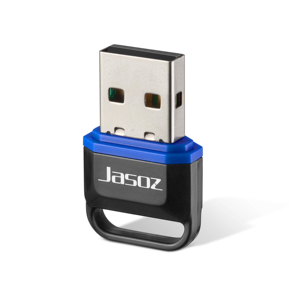

Explore our certified OEM/ODM audio adapters, Hi-Fi receiver boards, and multi-functional transmitters engineered for global electronics distributors and brand owners.
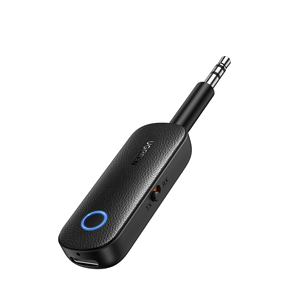
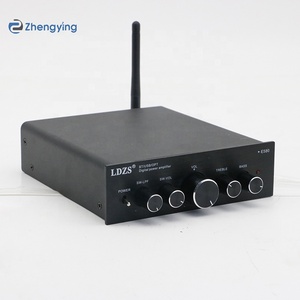
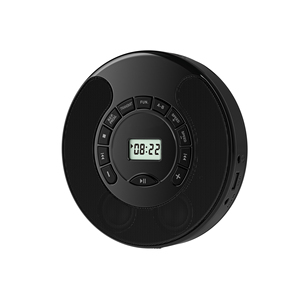

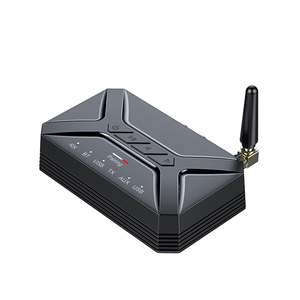

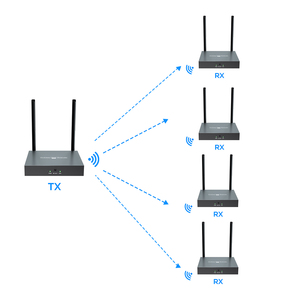
The global wireless audio marketplace is experiencing a profound paradigm shift driven by the transition from legacy Bluetooth Classic architectures to Bluetooth 5.4 Low Energy (LE) Audio protocols, Auracast™ multi-stream broadcasting, and high-bitrate spatial acoustic processing. As the world’s primary hub for consumer electronics assembly and electro-acoustic R&D, China’s specialized audio manufacturing sector delivers unprecedented engineering agility, comprehensive supply chain integration, and cost-optimized mass production capabilities.
Navigating this vast industrial ecosystem requires international B2B buyers—ranging from high-volume tier-1 brands to specialized regional distributors—to evaluate manufacturing partners beyond basic unit pricing. Superior sourcing outcomes depend heavily on assessing a factory’s system-on-chip (SoC) integration mastery, radio frequency (RF) circuit layout expertise, electromagnetic compatibility (EMC) shielding performance, and compliance with stringent international wireless regulations including BQB (Bluetooth SIG), FCC Part 15, CE RED, RoHS, and REACH guidelines.
Leveraging over a decade of acoustic research and multi-layer SMT assembly expertise to deliver zero-defect wireless receivers to world-class distributors.
Full-stack hardware engineering capabilities spanning single-sided aluminum substrates to 8-layer high-density interconnect (HDI) PCBs, integrated with embedded power management ICs (PMIC) and custom battery charging circuits.
Every production lot undergoes 100% automated optical inspection (AOI), Bluetooth RF spectrum analysis, AP (Audio Precision) acoustic performance testing (SNR, THD+N), and extreme thermal shock endurance cycles.
Streamlined international certification support with complete documentation packages for FCC (USA), CE/RED (Europe), BQB Bluetooth QDID licensing, TELEC (Japan), KC (Korea), and environmental compliance (RoHS/WEEE).
Specialized proprietary 2.4GHz RF algorithms and LC3 codec tuning achieving lip-sync accurate transmission below 15ms for high-performance gaming adapters, TV transmitters, and live AV monitoring devices.
Comprehensive rapid prototyping services including 3D enclosure modeling, custom aluminum extrusion CNC machining, silicone rubber tactile molding, and bespoke retail packaging execution.
Strategic long-term partnerships with leading semiconductor vendors (Qualcomm, Realtek, Actions Semi, Jieli) ensuring guaranteed component allocation, stable lead times, and immunity to chip shortages.
To maintain market leadership, B2B procurement managers must align product roadmaps with key emerging audio receiver innovations.
The emergence of Bluetooth LE Audio powered by the Low Complexity Communication Codec (LC3) represents the biggest advancement in wireless audio architecture in two decades. Factories in China are rapidly scaling production of receivers that support Auracast™ broadcast audio. This breakthrough enables a single transmitter (such as a TV, airport screen, or cinema audio feed) to broadcast synchronized, high-quality audio to an unlimited number of nearby Bluetooth receivers and hearing devices simultaneously with minimal power consumption.
Audiophile-grade consumer expectations have driven demand for receivers supporting bit-for-bit lossless wireless playback. Modern wholesale receivers are increasingly specified with advanced codecs including Sony LDAC (streaming up to 990 kbps at 24-bit/96kHz), Qualcomm aptX™ Lossless, and LHDC 5.0. Chinese factories are integrating dedicated high-performance Digital-to-Analog Converters (DACs) from ESS Technology and Texas Instruments alongside main Bluetooth SoCs to achieve Signal-to-Noise Ratios (SNR) exceeding 115dB.
Wireless audio receivers and transmitters are transitioning away from passive dongles into interactive smart devices. Leading exporters now showcase audio adapters embedded with vibrant color OLED touchscreens or integrated smart charging cases. These displays allow real-time monitoring of connected Bluetooth profiles, signal strength, active codec selection, equalizer (EQ) presets, and battery health without requiring external mobile apps.
Dual-purpose hands-free audio receivers designed for automotive AUX ports or wired headphone conversions now incorporate deep neural network (DNN) AI noise suppression algorithms. By leveraging multi-microphone array processing, these smart receivers effectively isolate human voice frequencies while filtering out vehicle engine hum, wind noise, and ambient acoustic chatter up to -45dB during wireless telephone communication.
Evaluate key architectural metrics across primary commercial wireless audio receiver categories manufactured in China.
| Receiver Category | Primary Chipset Architecture | Supported Codecs | Typical RF Range | Audio Latency | Key Target Applications |
|---|---|---|---|---|---|
| USB PC/Console Adapters | Realtek RTL8761 / Actions ATS2831 | SBC, AAC, aptX-LL, LC3 | 10 – 20 Meters | 15ms – 40ms | PC Gaming, Laptops, PS5, Xbox, VOIP Headsets |
| 2-in-1 Transceivers (TV/Home) | Qualcomm QCC3056 / CSR8675 | aptX HD, aptX Adaptive, LDAC, SBC | 30 – 50 Meters | <40ms | Home Theater, TV Audio Transmitting, Hi-Fi Amplifiers |
| Portable Automotive AUX Adapters | Jieli AC6956 / BK3266 | SBC, AAC, MP3 Decoding | 10 Meters | 100ms – 150ms | Car Stereo Upgrade, Hands-free Calling, Wired Headsets |
| Industrial PCB Embedded Modules | Qualcomm QCC5171 / Custom RISC-V SoC | LDAC, LHDC, LC3, I2S / PCM Direct | 15 – 30 Meters | <20ms | OEM Active Speakers, KTV Amplifiers, Custom Electronics |
Clear, authoritative answers to common engineering, compliance, and supply chain queries encountered when importing wireless receivers from China.
For standard off-the-shelf catalog models with simple silk-screened logo customization and standardized packaging, the typical MOQ starts at 500 to 1,000 units per order batch. However, for full ODM projects involving customized PCB layouts, dedicated plastic injection tooling, specialized chipsets (such as Qualcomm QCC series), or bespoke firmware development, standard factory MOQs generally range from 3,000 to 5,000 units. Flexible tier arrangements can often be negotiated for initial market validation orders.
Reputable manufacturers utilize pre-certified Bluetooth modules that carry valid Qualified Design IDs (QDIDs) issued by the Bluetooth Special Interest Group (SIG). When a buyer purchases OEM finished goods, they can reference the factory’s QDID to complete their brand listing (EPL - End Product Listing) seamlessly on the Bluetooth SIG portal. Factories provide full test documentation to support FCC ID, CE RED compliance, and RoHS/REACH chemical testing for global customs clearance.
Single-sided aluminum substrates offer superior thermal dissipation and high mechanical rigidity at an economical cost, making them ideal for high-power integrated audio receiver amplifier boards (such as home KTV systems or power bank combinations). Conversely, multi-layer FR-4 glass-epoxy boards (4-layer or 6-layer) allow complex signal routing, dedicated ground planes for RF shielding, and minimal trace crosstalk—essential for ultra-compact USB audio dongles, high-fidelity LDAC receivers, and multi-channel transceivers.
Achieving audio latency below 40ms requires end-to-end codec hardware optimization. Buyers must verify that both the transmitter and receiver chipsets natively support low-latency protocols such as aptX Low Latency (aptX-LL), aptX Adaptive (in ultra-low latency mode), or LE Audio’s LC3 codec. During factory audit testing, latency should be independently verified using digital storage oscilloscopes or specialized Audio Precision (AP) analyzers to measure true acoustic delay from digital input to analog output.
Leading Chinese exporters follow ISO9001-certified Quality Management Systems utilizing a multi-stage inspection workflow: 1) Incoming Quality Control (IQC) for raw ICs, capacitors, and PCB blanks; 2) In-Process Quality Control (IPQC) featuring 100% SMT Automated Optical Inspection (AOI) and X-ray inspection for BGA packages; 3) 100% RF frequency calibration and AP audio curve testing during final assembly; 4) Outgoing Quality Control (OQC) applying Acceptable Quality Limit (AQL 0.65 Major / 1.0 Minor) sampling prior to shipment packaging.
Yes. Custom single-sided or double-sided aluminum PCB layouts can integrate dedicated lithium-ion battery management ICs, step-up DC-DC converters, and battery protection circuits alongside the primary Bluetooth audio receiver IC. This enables multi-functional hardware designs such as portable wireless audio receivers that double as emergency power banks or support continuous pass-through playback while charging via USB Type-C ports.
Standard repeat OEM production runs typically require 25 to 30 days following sample sign-off and deposit receipt. For new ODM orders requiring custom enclosure tooling, lead times are generally broken down into: 15–20 days for industrial design, 3D modeling, and rapid prototype creation; 30–35 days for steel injection mold fabrication; and 20–25 days for initial pilot trial runs and final mass production scaling.
Experienced RF engineers mitigate 2.4GHz spectrum congestion by utilizing advanced ceramic patch antennas or precision-tuned PCB trace antennas paired with impedance-matching LC network filters. Furthermore, factories apply physical metal shielding cans over the core SoC and crystal oscillator circuits on the PCBA to eliminate electromagnetic interference (EMI) originating from power regulation ICs or external USB high-speed data lines.
From initial concept to global delivery, our structured ODM engineering process guarantees seamless product execution.
Define acoustic targets (SNR, frequency response), target latency (<20ms vs standard), required Bluetooth codecs (LDAC, LC3, aptX), form factor constraints, budget parameters, and regulatory regional goals (FCC, CE, BQB).
Our engineering team creates schematic diagrams, PCB multi-layer layouts, RF antenna simulations, and functional prototype samples within 10 to 14 business days for customer evaluation and lab verification.
Upon T1 sample approval, high-precision steel injection molds or aluminum CNC extrusions are crafted alongside custom silicone, acrylic display panels, and customized surface coatings (matte UV, soft-touch rubber, or metallic plating).
High-speed Yamaha SMT lines place micro-components with millimeter accuracy, followed by automated soldering, 100% AOI checking, RF frequency calibration, and rigorous 48-hour burn-in stress testing in temperature-controlled rooms.
Whether you require high-volume OEM manufacturing of compact USB adapters, custom aluminum PCB audio receiver boards, or cutting-edge Auracast™ LE Audio transceivers, our engineering team is standing by to bring your vision to market.