1. How accurate are TOZO health monitoring smartwatches compared to medical devices?
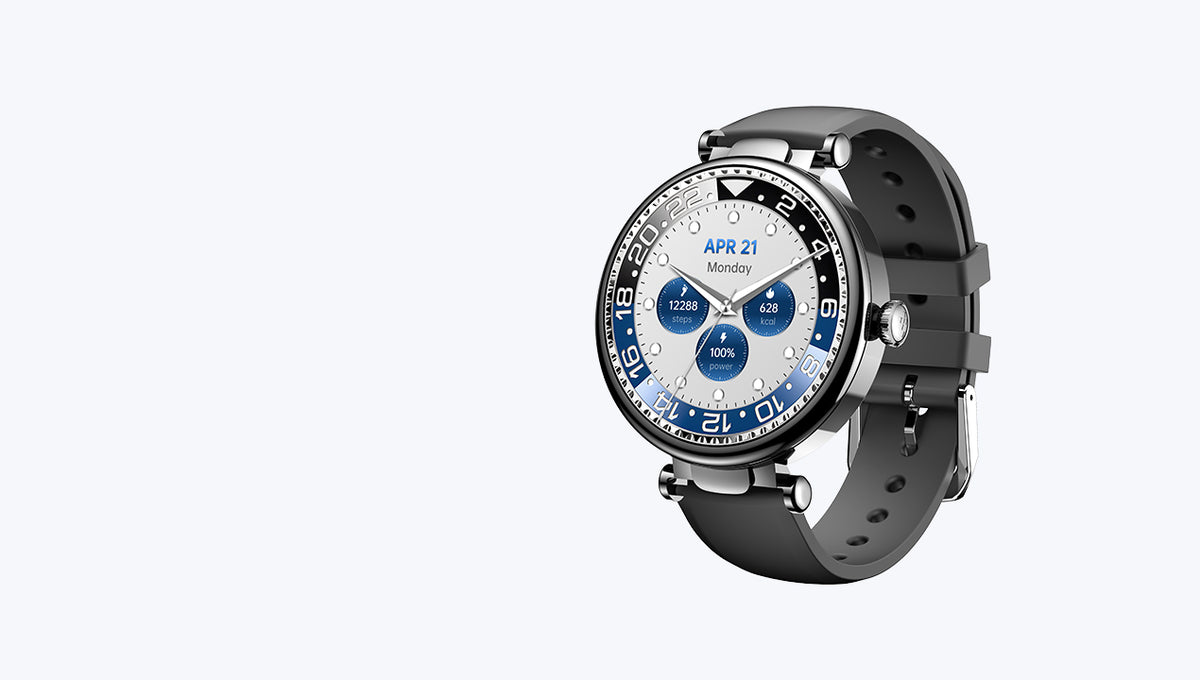
TOZO health monitoring smartwatches utilize high-precision multi-channel optical PPG arrays (incorporating 525nm green and 660nm/940nm red/infrared LEDs) combined with adaptive digital signal processing (DSP) algorithms. While engineered primarily for general wellness, fitness tracking, and personal trend monitoring (FDA Class I / CE Wellness scope), our heart rate and SpO2 correlation coefficients show >95% alignment under static test conditions against clinical pulse oximeters and ECG reference monitors. For medical-grade diagnostic integration, custom hardware modules can be developed under OEM contracts.
2. What OEM/ODM customization options are available for corporate orders?
TOZO offers comprehensive OEM and ODM manufacturing services for volume buyers. Customizable elements include: custom logo silkscreening on alloy watch frames, custom laser-etched casebacks, customized retail packaging, bespoke strap materials (silicone, fluororubber, leather, woven nylon), pre-loaded custom watch faces, customized startup boot logos, and custom BLE broadcast names. At the software level, we can provide dedicated SDKs or integrate custom Bluetooth data packets into your enterprise health platform.
3. What regulatory certifications do TOZO smartwatches hold for international import?
All TOZO health monitoring smartwatches fully comply with major global regulatory standards required by customs and retail networks. Products hold CE, FCC, RoHS, REACH, and WEEE certifications. Battery cells are UL certified, UN38.3 compliant, and pass strict MSDS transportation standards for sea and air freight. For specific regional markets (such as TELEC/JITELE in Japan or NOM in Mexico), TOZO supports distributors with localized compliance documentation.
4. Can raw biometric data (HRV, PPG waveform, SpO2) be exported to third-party software?
Yes. Through our enterprise partner program, TOZO provides software developers and healthcare integrators with Bluetooth API documentation and mobile SDK access (iOS CoreBluetooth and Android BLE frameworks). This allows corporate clients, insurance portals, and research institutions to stream real-time Inter-Beat Interval (IBI), continuous SpO2 readings, and step/calorie metrics directly into proprietary cloud platforms.
5. How does TOZO ensure waterproof integrity and quality control during production?
TOZO operates automated manufacturing facilities adhering to ISO9001 and ISO14001 quality management systems. Smartwatches rated IP68 or 5ATM undergo 100% individual pressure chamber testing—both negative pressure air testing and hydrostatic liquid pressure immersion—prior to final assembly. SMT lines utilize 3D Automated Optical Inspection (AOI) to verify sensor solder joint integrity, ensuring a factory defect rate under 0.3%.
6. What is the standard minimum order quantity (MOQ) and delivery lead time?
For ready-to-ship standard TOZO branded inventory, MOQ starts at 50 units per SKU, with dispatch occurring within 3 to 7 business days from our regional distribution hubs. For full OEM/ODM private-label customization (including customized packaging and firmware customization), standard MOQs start at 1,000 to 3,000 units, with a typical production cycle of 25 to 35 calendar days after sample sign-off.
7. How are after-sales support, warranty replacement, and RMA handled for distributors?
TOZO supports global commercial partners through our established warranty infrastructure. We offer a structured B2B warranty replacement policy (typically 12 to 24 months depending on regional terms). Distributors can utilize our centralized online warranty portal for RMA authorization or receive a agreed spare-unit percentage buffer with bulk shipments to handle localized customer replacements seamlessly. Dedicated technical documentation, multilingual user manuals, and video tutorial assets are fully accessible.
8. How do TOZO smartwatches maintain long battery life while continuously sampling health data?
Power efficiency is achieved through dynamic MCU clock gating and low-power optical sensing routines. During low-activity periods or deep sleep, the smartwatch switches background heart rate sampling to dynamic pulse intervals rather than continuous high-frequency emission, conserving energy without missing anomaly spikes. Combined with high-density lithium-polymer battery chemistry (up to 300mAh+ capacity), users experience 7 to 14 days of typical usage.